
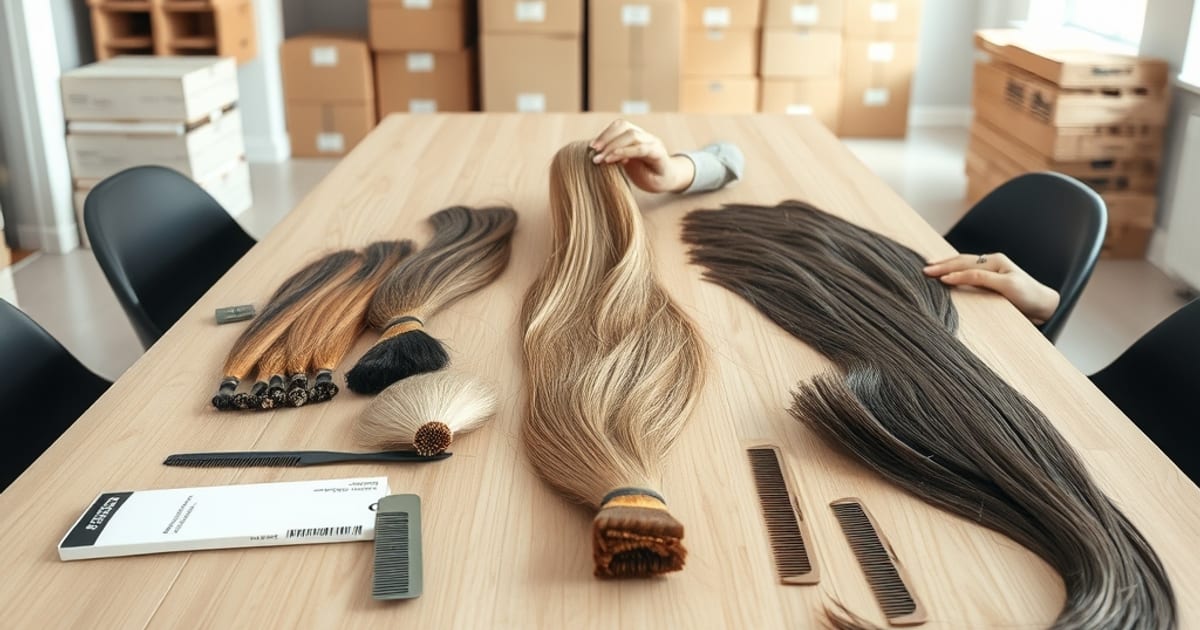
When salon owners and boutique buyers begin sourcing human hair extensions at wholesale volume, the first question is rarely about texture or colour. It is about trust. A reliable…
When salon owners and boutique buyers begin sourcing human hair extensions at wholesale volume, the first question is rarely about texture or colour. It is about trust. A reliable supplier should feel like a partner, not a vendor, and the process of vetting that supplier should be systematic, repeatable and honest. This guide walks through the practical steps salon professionals can follow when evaluating a B2B hair sourcing partner, with a focus on transparency, consistency and long-term reliability.
Understanding What a Reliable Wholesale Supplier Looks Like
The Difference Between Retail and B2B Sourcing
Retail purchasing decisions are often driven by shelf appeal and speed. B2B sourcing decisions are driven by volume economics, supply consistency and the ability to scale without surprises. A salon owner who buys a few bundles occasionally can afford a loose relationship with a supplier. A salon or boutique that reorders every few weeks needs documented lead times, clear return or exchange terms and a supply chain that does not shift quietly behind the scenes.
Vetting a wholesale hair extension supplier therefore starts with a simple question: can this supplier support predictable reorders at the volumes you actually need? The answer reveals whether the relationship is transactional or strategic.
A Practical Wholesale Supplier Checklist
Certifications and Traceability
Ask for documentation that proves where the hair originates and how it is processed. A serious exporter will provide a commercial invoice, packing list and certificate of origin with every shipment. These are not optional extras; they are the baseline of international trade compliance. While specific certifications vary by destination market, a trustworthy supplier will be upfront about what documentation they can and cannot provide.
Traceability matters because it protects your brand. If a client asks where their hair came from, you should be able to answer with confidence. Suppliers who hesitate on traceability questions are signalling a risk worth taking seriously.
Product Consistency and Quality Control
Consistency is harder to measure than quality, but it matters more over time. Ask whether the supplier bundles hair by weight, whether each bundle is labelled and whether colour lots are matched across orders. A supplier who cannot reproduce the same shade or texture across repeat orders will erode client trust quickly.
Request samples before placing a large order. Samples are the cheapest form of quality control you will ever buy. Treat them exactly as you would a retail sale: wash, dry, style and inspect. If the sample does not meet your standard, the full order will not either.
Evaluating Hair Grade Claims
Raw, Virgin and Remy Explained
One of the most common points of confusion in B2B hair sourcing is the distinction between raw, virgin and Remy hair. At Suvita Hair Global, these are treated as the same grade of 100% Virgin Remy Indian human hair, with the difference lying only in donor grouping per bundle. Raw hair comes from a single donor, virgin hair from two to three matched donors aged 20 to 30, and Remy hair from three to five matched donors in the same age range. None of these grades is ranked above another on quality; they simply serve different sourcing and branding preferences.
When a supplier tells you one grade is inherently superior, ask for evidence. Hair quality is determined by cuticle alignment, processing methods and donor selection, not by marketing labels alone.
Lifespan and Attachment Intervals
With proper care, Suvita Hair Global hair is designed to last a minimum of three to five years across every grade. That lifespan depends on maintenance routines, not just the hair itself. It is also important to separate hair lifespan from attachment intervals. Tape-ins and sew-ins are typically redone every six to eight weeks, and that schedule refers to the attachment method, not the degradation of the hair fibre. Clients who understand this distinction return less often with complaints about premature shedding.
Logistics, Packaging and Private Labelling
Shipping and Documentation
International shipping introduces variables that domestic orders do not. DHL Express is a common choice for B2B hair shipments because of tracking reliability and customs clearance support, but the real question is whether the supplier handles export documentation in-house. Full documentation should include a commercial invoice, packing list and certificate of origin. If a supplier asks you to arrange your own paperwork for a first order, treat that as a red flag.
Packaging Options
Standard wholesale orders ship unbranded in plain packaging, which keeps unit costs low for new or testing buyers. Private labelling is available on request and includes custom boxes and bags, branded tags and hang-cards, logo printing, inserts and care cards. The minimum for private-label orders is typically 50 pieces per design, which makes it accessible for boutiques that want a branded unboxing experience without committing to large inventory risk.
Minimum Order and Pricing Structure
There is no minimum order quantity at Suvita Hair Global, and sample orders are welcome. Wholesale list pricing applies from 1.5 kg, which allows salon owners to test multiple textures or colours before committing to volume. Payment is handled by SWIFT bank transfer in full in advance, a standard requirement for manufacturer-to-export transactions that protects both parties.
Building a Long-Term Sourcing Partnership
Communication and Responsiveness
A supplier who answers questions within business hours, provides clear order confirmations and updates you on production timelines is worth more than one who offers the lowest headline price. B2B relationships in hair sourcing depend on responsiveness, especially when colour corrections, length adjustments or urgent reorders are needed.
Scalability
Ask the supplier how they handle demand spikes. Can they scale production without compromising colour matching or texture consistency? A manufacturer based in Delhi with export experience, such as Suvita Hair Global, typically has the infrastructure to support growth from boutique-level orders to larger regional distribution volumes, but you should confirm this directly rather than assume it.
Final Practical Checklist for Vetting a Supplier
- Request a sample order and test it through a full wash and style cycle before committing.
- Ask for export documentation samples, including commercial invoice, packing list and certificate of origin.
- Confirm donor grouping and grade definitions in writing, not just on a website.
- Verify private-label minimums and packaging options if branding matters to your client experience.
- Clarify payment terms, shipping method and expected lead times before placing your first wholesale order.
- Check whether the supplier can reproduce consistent colour lots across repeat orders.
- Ensure attachment-interval guidance is separate from hair-lifespan claims so your clients receive accurate aftercare advice.
The right wholesale hair extension supplier does more than ship product on time. They give you confidence in every order, clarity in every conversation and a partnership that grows as your business grows. When you are ready to evaluate your next sourcing partner, start with samples, ask the hard questions and compare responses against this checklist. What to do next: compile a shortlist of two or three suppliers, request samples from each, run them through the same wash-and-style test, and compare documentation, responsiveness and packaging options side by side before committing to a first wholesale order.
Ready to source premium human hair — factory-direct?
Suvita Hair supplies wholesale extensions, wigs and bundles to salons, distributors and beauty brands, with active buyers in 23 countries. Reply within 24 hours, DHL door-delivery, no middlemen.
- Factory-direct wholesale rates
- Sample orders accepted
- No MOQ — sample orders welcome
- IEC & GSTIN registered exporter
Suvita Hair Editorial with Deepak Kumar
Seven+ years sourcing, grading, and exporting Indian human hair to wholesale buyers on every continent. We write to help salons and distributors buy smarter — no fluff, just what we actually see in the factory.
Related Articles
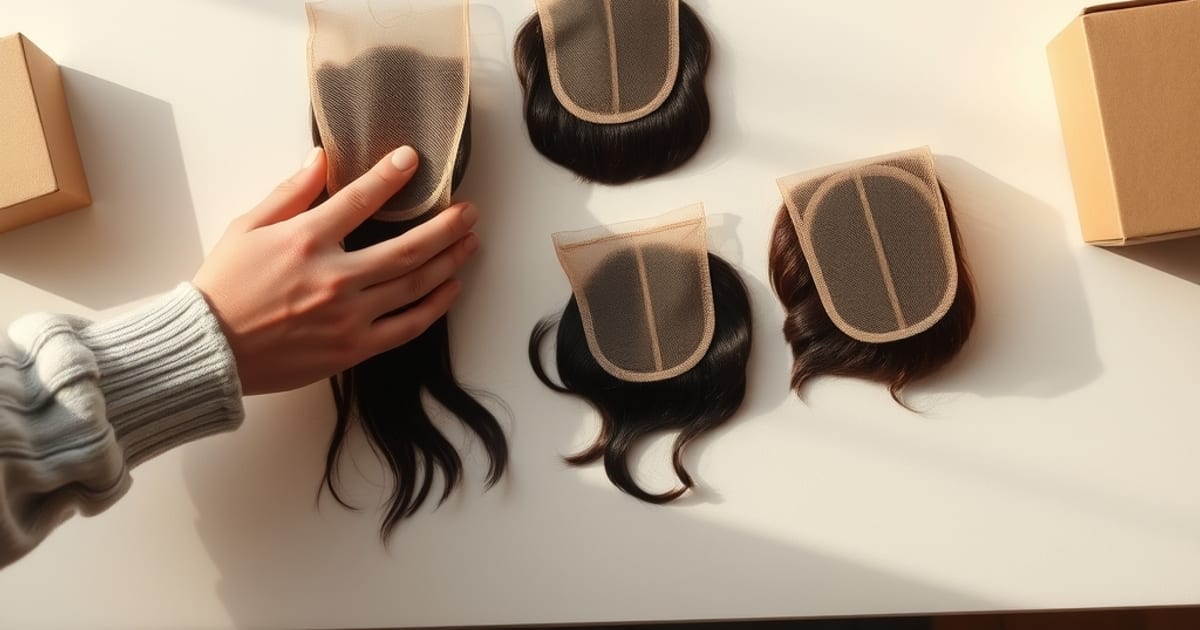
How to choose between 4x4, 5x5 and 6x6 lace closures for a natural parting
Choosing the right lace closure for a natural parting is one of the most important decisions a hair stylist or salon owner makes — because the wrong size can create a visible seam…
Read article
Payment Terms for Bulk Hair Orders: Protecting Salon Cash Flow
An honest look at advance payment in the hair trade, and the five protections a salon can set around it to keep its cash flow safe.
Read article
How to Read a Hair Extension Invoice: Key Terms B2B Buyers Must Know
Understanding the intricacies of a hair extension invoice is crucial for salon owners, boutique retailers, and wholesale distributors operating in the competitive beauty market. A…
Read article