

When salon owners and boutique resellers compare virgin hair versus processed hair, the decision shapes everything from client retention to repeat purchase rates. Both categories…
When salon owners and boutique resellers compare virgin hair versus processed hair, the decision shapes everything from client retention to repeat purchase rates. Both categories originate from human hair, yet the manufacturing path diverges sharply after collection. Understanding those differences helps buyers match inventory to clientele expectations, service workflows and profit margins. This guide breaks down the core distinctions, highlights what to inspect during quality checks and explains how to source consistently from a reliable manufacturer exporter like Suvita Hair Global.
What Is Virgin Hair?
The Cuticle-Intact Standard
Virgin hair refers to strands that have not been chemically altered in any way. The cuticle remains intact, running in a single direction from root to tip, and the hair has not undergone bleaching, perming, relaxing or dyeing. Because the original donor hair arrives with its natural pigment and texture preserved, virgin bundles retain the behaviour patterns of untreated hair — they tangle less, shed minimally when handled correctly and feel heavier than chemically stripped alternatives. Virgin Indian hair, in particular, tends to feature a thick, coarse texture that blends well with a wide range of ethnic hair types.
What Is Processed Hair?
Acid-Bath and Dye Treatments
Processed hair has been subjected to one or more chemical interventions. Manufacturers may use acid baths to remove the original cuticle, then apply silicone coatings to simulate smoothness temporarily. Colour is often injected through aggressive dyeing or bleaching to achieve shades such as platinum blonde, jet black or fashion reds. While processed hair typically costs less at the point of purchase, the chemical stripping weakens the fibre structure, making strands more prone to dryness, frizz and breakage after several washes. The silicone layer also wears off over time, revealing a rougher texture underneath.
Virgin Hair vs Processed Hair — Key Differences
Longevity and Texture Retention
The lifespan gap between the two categories is often the deciding factor for bulk buyers. Virgin hair, when maintained with sulphate-free products and gentle detangling, can last twelve months or longer with proper care. Processed hair usually shows visible degradation within three to six months, with colour fading, texture becoming wiry and ends fraying. For salon owners building a premium service menu, virgin bundles deliver a more predictable return on inventory investment.
Styling Flexibility
Virgin hair accepts heat styling and holds curls or straightening patterns more reliably because the protein structure has not been compromised. Processed hair, by contrast, may respond unpredictably to high heat after repeated chemical exposure, sometimes melting or losing wave pattern entirely. Clients who frequently restyle their extensions therefore benefit from cuticle-intact fibre, even if the upfront cost is higher.
Choosing the Right Type for Your Clients
Salon Use Cases
Virgin hair suits high-end bridal work, protective styling and clients with sensitive scalps who react to residual chemicals. Processed hair can serve as a colour-play option for fashion-forward clients who want bold, temporary looks and plan to replace the set frequently. Matching the hair type to the service reduces complaints and lowers return rates.
Budget Considerations
Wholesale buyers should weigh cost per wear rather than per kilogram. Although processed hair may appear cheaper initially, shorter lifespan often means higher replenishment frequency. Virgin hair, especially when sourced through a manufacturer exporter with consistent donor supply, tends to offer better value over a full usage cycle. Suvita Hair Global maintains a wholesale list starting from 1.5 kg, allowing salon owners and boutique resellers to test virgin bundles before committing to larger inventory.
Practical Steps for Evaluating Hair Quality
Before placing a bulk order, run these checks on every consignment:
- Inspect the weft for loose threads and double-stitch integrity.
- Burn a single strand; virgin hair curls into ash with a slow burn, while processed hair melts into a hard bead.
- Check for colour consistency across bundles by comparing wefts under natural daylight.
- Run fingers from root to tip; smooth movement indicates intact cuticle, while roughness suggests acid-bath stripping.
- Request a small sample order first to verify texture, weight and dye stability before scaling up.
Sourcing from a Trusted Manufacturer Exporter
Working with an established manufacturer exporter simplifies compliance and logistics. Suvita Hair Global ships all orders in plain polybags with a commercial invoice, packing list and certificate of origin, ensuring smooth customs clearance via DHL Express. Payment terms require 100% advance by SWIFT, and sample orders are welcome for buyers who need to confirm quality before wholesale commitments. This transparent supply-chain model helps salon owners, boutique resellers, distributors and importers reduce risk and maintain steady stock levels.
What to do next: review your current inventory mix, identify which client segments need virgin versus processed options, and request a sample from Suvita Hair Global to compare texture, weight and colourfastness side by side before placing a wholesale order.
Ready to source premium human hair — factory-direct?
Suvita Hair supplies wholesale extensions, wigs and bundles to salons, distributors and beauty brands, with active buyers in 23 countries. Reply within 24 hours, DHL door-delivery, no middlemen.
- Factory-direct wholesale rates
- Sample orders accepted
- No MOQ — sample orders welcome
- IEC & GSTIN registered exporter
Suvita Hair Editorial with Deepak Kumar
Seven+ years sourcing, grading, and exporting Indian human hair to wholesale buyers on every continent. We write to help salons and distributors buy smarter — no fluff, just what we actually see in the factory.
Related Articles
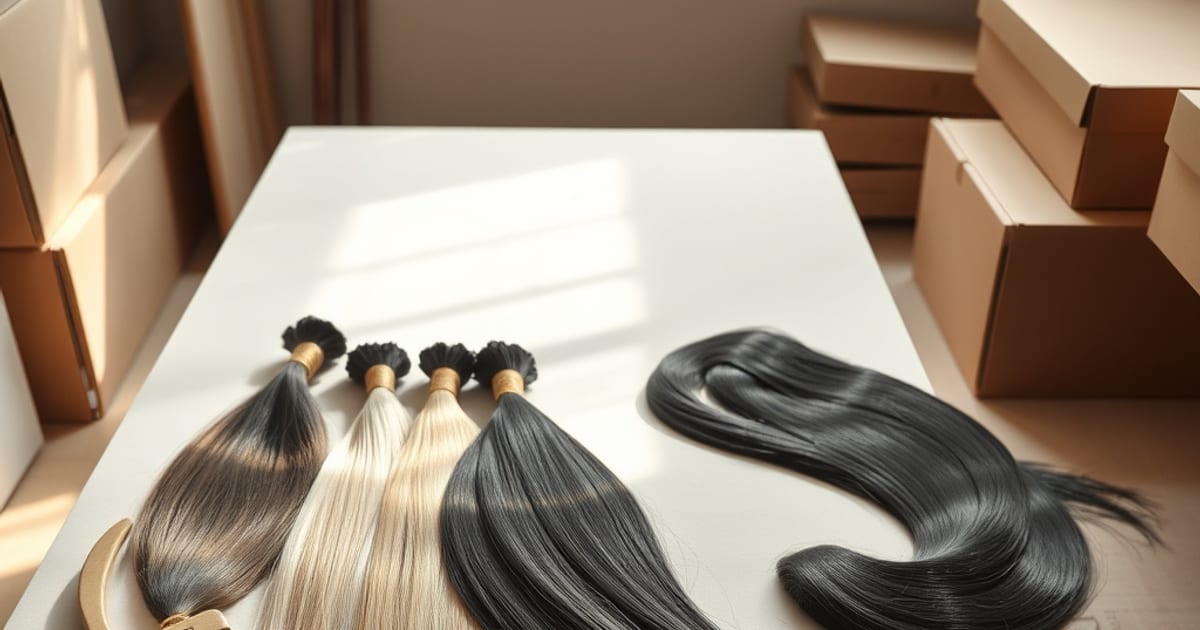
What Is Weft Hair? Types, Uses and Buying Guide
A plain explainer of weft hair: how a weft is made, the four main weft types, what stylists and wig makers use them for, and how many bundles to buy.
Read article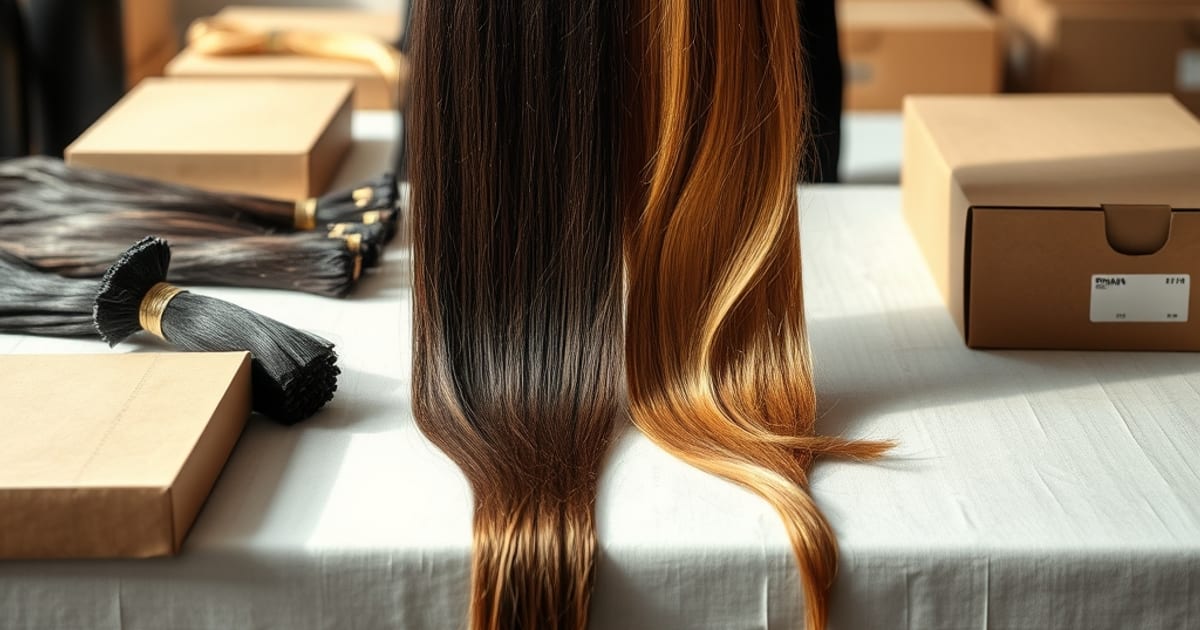
Indian Hair vs Brazilian Hair — An Honest Comparison
When salon owners, boutique resellers and importers evaluate wholesale human hair extensions, Indian hair and Brazilian hair consistently appear at the top of shortlists. Both…
Read article
Raw Temple Hair vs Remy Hair: What's the Real Difference?
When salon owners and boutique buyers compare raw temple hair versus Remy hair, the conversation often centres on texture, durability and how the hair was collected. Both…
Read article